



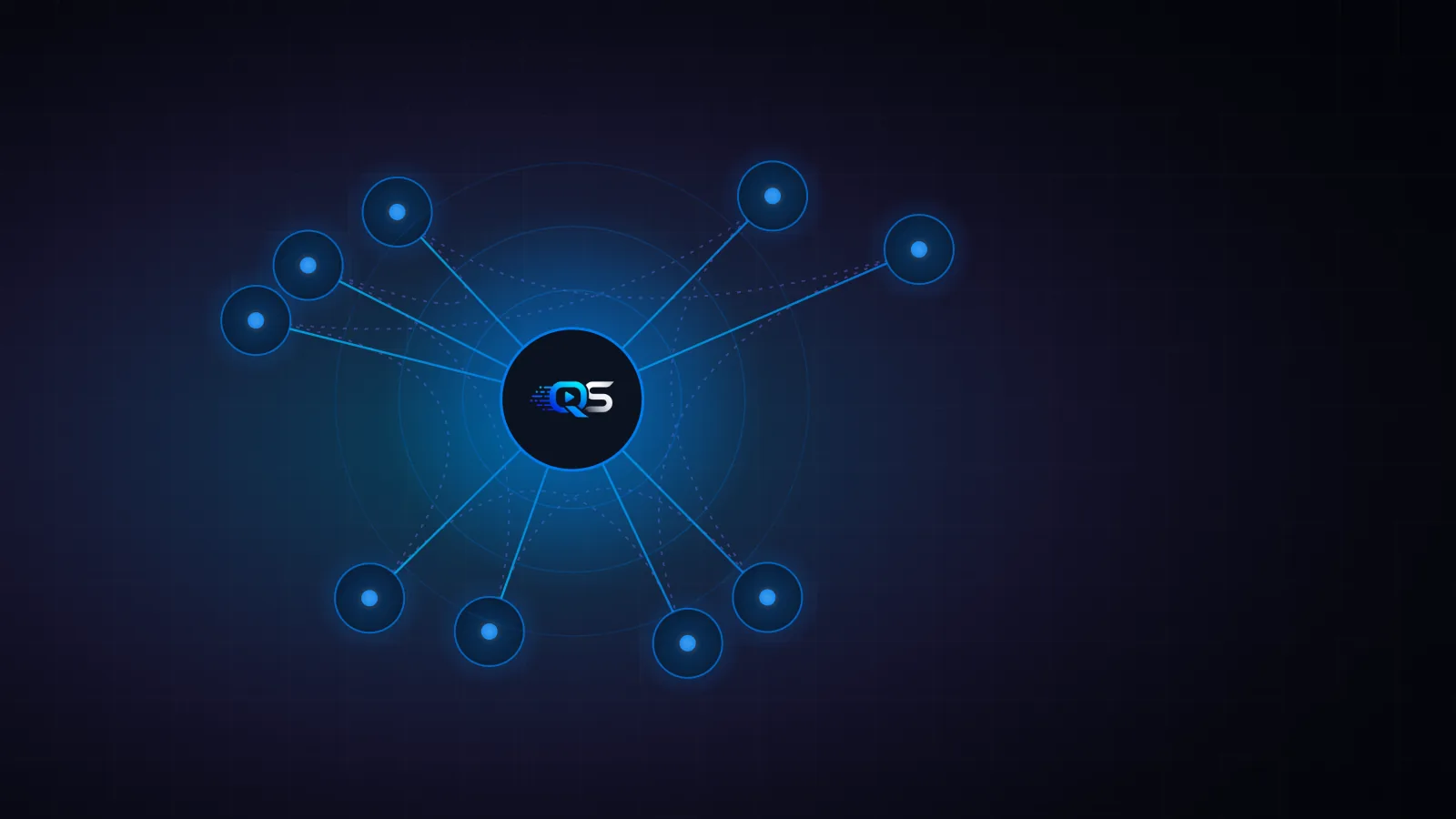
Shipping to nine platforms sounds like nine times the work. It is not, but it is also not one app nine times. Four things genuinely differ, and everything else is the same product.
1. What the app is built in
The living-room platforms do not share a runtime. Apple TV wants a tvOS app. Roku wants a channel in its own framework. Samsung wants a Tizen app and LG wants a webOS one, both broadly web technologies but with different packaging, different certification and different remote-control quirks. Fire TV and Google TV are Android variants, close to each other and not especially close to a phone build.
This is why “we have a mobile app, the TV version should be quick” is usually wrong. The player, the layout and the navigation all have to be rebuilt for a device you hold a five-button remote at.
Free guide
OTT Platform Growth & Monetization Guide
The benchmarks, formulas and ROI scenarios behind a profitable streaming platform. Thirty slides, free.
2. How people move around
A phone is direct manipulation: you touch the thing you want. A television is directional: up, down, left, right, select, back. Every screen has to have a sensible focus order, a visible focus state, and a defined answer to what happens when someone presses back.
Interfaces designed on a phone and scaled up fail here in a very particular way — they look fine in a screenshot and are unusable from a sofa.
3. What the store will allow
Each store has its own review process, its own metadata requirements, its own rules about what you may say in a description, and its own position on subscriptions purchased outside the app. These rules change. Budgeting a single round of review for a first submission is optimistic on every platform and reckless on some.
4. How money is taken
On iOS and Android, digital content is generally bought through store billing, which affects both what you keep and how entitlements reach the app. The TV platforms each have their own arrangements. A subscriber who paid on one platform must be recognized on all of them, which means entitlement lives on your side rather than in any one store.
What does not differ
Everything else. The catalog, the metadata, the artwork, the rights rules, the scheduling, the recommendations, the analytics and the accounts are one system. The apps are readers of it. When an editor changes a title’s description, it changes on nine screens because there is only one record — not because nine systems were synchronized successfully.
That is the real argument for one platform rather than nine projects: not that the apps are identical, but that everything behind them is.